Why You Need Dineapple and Where SevenRooms Isn't Enough?
You've implemented SevenRooms. You have guest segmentation, email campaigns, VIP flags, booking insights, and event reporting. Your marketing team loves the CRM.
So why does your kitchen still rely on printouts for allergies? Why do table delays ripple through your POS before anyone updates the floor plan? Why do loyalty benefits work in email campaigns but not seamlessly at the table?
SevenRooms solves guest relationship and marketing orchestration. It does not solve operational continuity.
And once you see the difference, you cannot unsee it.
The SevenRooms Architecture
SevenRooms is a guest-intelligence platform, and it is genuinely good at it.
It excels at one thing: taking guest data reservations, preferences, booking behaviour, spend history and converting that into marketing leverage. Email, SMS, campaigns, perks, events, and integrations. A complete CRM system that turns your guest database into a retention machine. That is genuinely useful.
SevenRooms is designed to optimise the relationship around the service. Dineapple is designed to optimise the service itself.
And if your problem is operational fragmentation if data keeps disappearing between handoffs you are paying for the wrong architecture.
Where the Real Cost Lives
“Restaurant operators often frame the decision as 'What software should handle reservations?”
Wrong question.
The real cost is in the operation is which fail silently.
A VIP note that never reaches the host. An allergy note that arrives at the kitchen 30 seconds too late. A table delay that updates the manager's dashboard but not the floor plan. A QR order that prints in the kitchen with no context about what the guest has already eaten. A loyalty benefit that staff cannot recognise because it lives in a separate system and a separate workflow.
One failed handoff costs you a guest experience.
Ten failed handoffs cost you operational credibility.
A hundred failed handoffs cost you consistency across a multi-property business.
SevenRooms will help you win back that guest with an email campaign. It will not help you stop losing them in the first place.
Dineapple starts with the assumption that your operational truth should be continuous not fragmented across reservations, floor plans, kitchen screens, payment, POS and separate loyalty systems.
The Operating System vs the Marketing Layer
Think of it this way
SevenRooms is like having an excellent relationship management system for a retail business: it knows your customers, predicts their next purchase, reminds them to come back, and measures the ROI of every campaign.
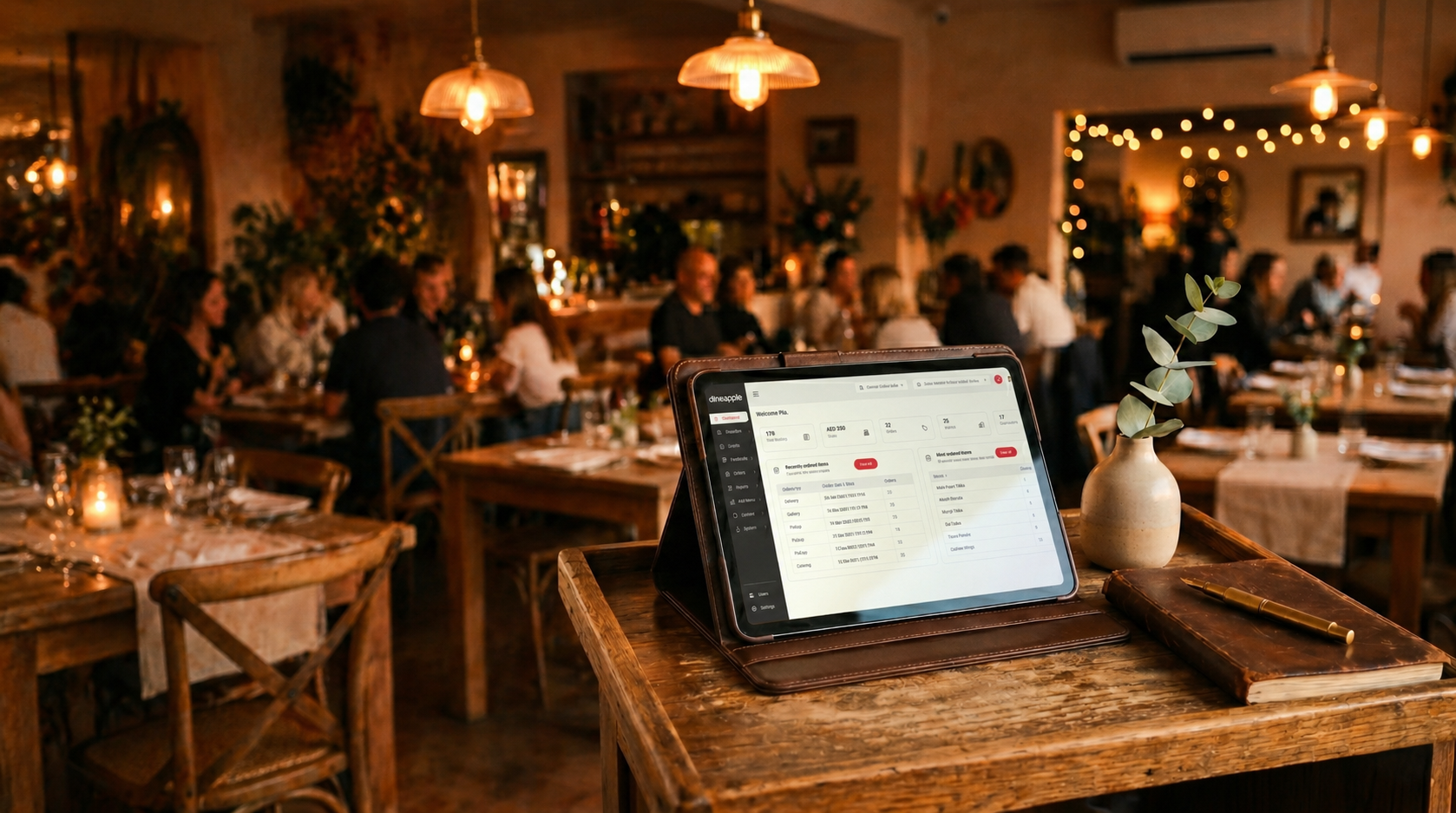
Dineapple is like having a business operating system for a restaurant: it handles the guest booking, assigns them to a table, routes their order to the kitchen, tracks loyalty redemption, captures feedback and gives you visibility across all of that.
SevenRooms excels at the marketing layer. Dineapple is built for the operating layer.
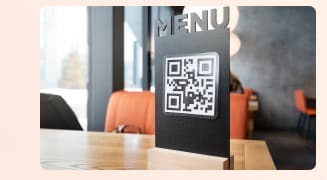
With Dineapple, you can handle reservations, table management, QR ordering, kitchen workflow, loyalty and service in one platform. For payment and legacy POS integration, you'll need to wait for Dineapple's roadmap or integrate a third-party system. But the operational core the part that was fragmented before becomes continuous.
Why You Are Considering an Alternative Right Now
If you are reading this, one of these things is probably true:
1. Your SevenRooms integrations are not delivering what you expected.
You set up SevenRooms as your "system of record". You integrated it with your POS, your payment processor, your Wi-Fi, your delivery partners, and maybe even your hotel PMS. Then the integrations started failing. Or they worked, but they required manual interventions. Or they worked, but the guest data never flowed back. Or they worked, but your kitchen still did not get what it needed until someone walked back and told them. SevenRooms offers 100+ integrations. The challenge is that each integration adds a dependency your POS, your KOT system, your payment processor, and your Wi-Fi provider all need to stay in sync. When one link breaks, information stops flowing.
Dineapple's philosophy is different: native features instead of integration-dependent workflows.
2. Your kitchen and floor teams still operate like separate businesses.
Your host takes a reservation in SevenRooms. Your kitchen runs on a POS or a KOT system. Your manager checks SevenRooms for guest notes, then manually tells the kitchen to hold the mains. An allergy comes in. SevenRooms captures it in the guest profile. But the kitchen sees it only if your POS integration pulls that data and displays it on the KOT screen. Manual handoff fills the gaps. A table delays. Your host updates SevenRooms. But the kitchen does not know the table is delayed, because that update lives in SevenRooms, not in the POS or the floor-plan system.
SevenRooms' architecture is integration-led. It expects your kitchen systems, POS, and floor management to exist separately and connect through integrations. It does not own the operational workflow.
Dineapple's architecture is platform-led. Kitchen, tables, ordering, service requests they all live in one system. A delay in reservations automatically affects the floor plan and kitchen visibility.
3. Your loyalty programme is not delivering the lift you expected.
You have a loyalty programme in SevenRooms. Your marketing team can target members, send them offers, and track redemption through the POS integration. SevenRooms also supports guest recognition staff can see VIP tags and member status before seating. But at the table, redemption still goes through the POS. A guest wants to redeem a benefit, and your server has to manually process it through another system or send a message to the FOH manager who can then update the payment terminal.
SevenRooms loyalty is centred on member recognition and marketing. You use it to identify guests and send targeted offers.
Dineapple loyalty is centred on the redemption workflow. Members scan a QR code or enter a code; redemption happens in real-time with visible confirmation; the benefit appears on the receipt; and the loyalty balance updates immediately in the app. The loyalty transaction is part of the guest experience, not a separate backend process.
4. You are scaling to multiple locations, and you want real-time operational visibility.
SevenRooms gives you analytics and reporting across locations. But each restaurant's operational decisions table management, kitchen assignments, and service recovery still happen independently. You get visibility through reports and dashboards.
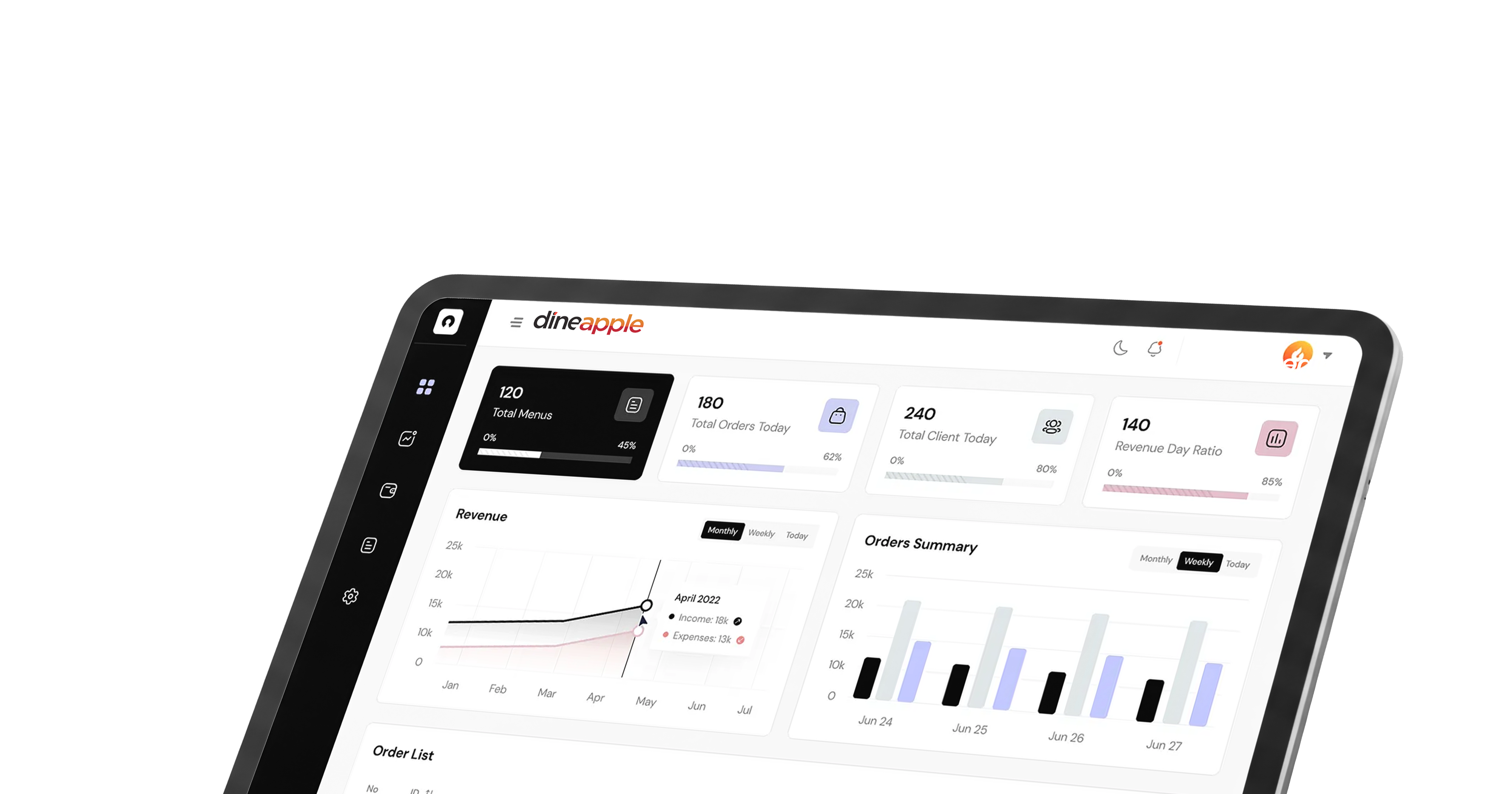
Dineapple gives you multi-property operational hierarchy and real-time monitoring. That means a group manager can see operational status across locations in one view, not wait for analytics reports to surface problems. A kitchen getting behind at one location, a member visiting across properties, table management challenges these appear in real-time, not in yesterday's report.
It is not just reporting. It is operational visibility that lets you scale without losing control.
5. You serve guests in languages other than English, and you want comprehensive multilingual support.
SevenRooms guest-facing language options for reservations and communications (14 languages). For a restaurant in the GCC, that covers the booking experience. But a complete multilingual experience also means menus, loyalty communications, feedback forms, and service staff interfaces in the guest's language. That is where the requirements diverge.
Dineapple supports 19 guest-facing languages, including Arabic, across the full journey: reservations, menus, ordering, loyalty, and feedback. For GCC operators, South Asian markets, or any multilingual city, comprehensive language support is not decorative. It affects booking conversion, guest confidence in QR ordering, staff adoption of the platform, and whether a guest feels the venue was actually designed for them.
The Verdict
SevenRooms is what you choose if you want to become better at selling to guests you already have.Dineapple is what you choose if you want to become better at serving the guests you seat both are valid priorities. But they are not the same priority.If your restaurants are losing operational continuity if your staff is making up for fragmentation every single service you do not need a better CRM. You need a different operating system.
That is why Dineapple exists.